For those who don’t know what Canva is: it’s a template based resource that bridges the gap between working with a designer and creating design work on your own. The platform sells the use of all manner of templates to help: people, sole traders, small business owners and wee grannies to pull a design together that gets the job done. The platform is doing well and is no doubt beneficial to many people and businesses, as it serves a purpose. But it doesn’t serve a higher purpose which is crafting and using design assets that are unique to your brand, audience and product or service environment. It is also highly unlikely you’ll find a design ready to use for your company or brand, but never say never. Plus if a suitable template is found for a specific item then you still have the issue of having other design items being the same across all print, web, digital and social media.
This article does have the bias of working with a designer; as that is what I do and I am blatantly biased in this case – but it’s also because only using Canva is actually bad for your business in the long run. I would suggest giving it a look, give other design platforms a look but then craft solutions using your own ideas then work them up yourself, or yes, hire a design professional like me to provide a standard that goes deep into your brand identity, shows your values, underpins your offering, avoids similarity with competitors and speaks to your audience while visually qualifying in your marketplace(s).
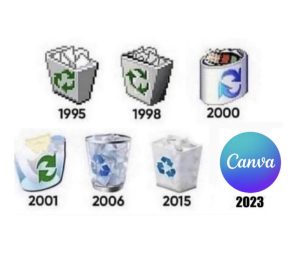
Canva does have its uses for idea generation, reviewing what styles have or can be used for certain applications. However in both these cases the designer involved with creating the design item should have the ability and time to research the requirements of the design and then craft the solution according to first principles aligning to the nature of it’s intended purpose and the objective of the design. The person adding the template to Canva won’t have the background research or understand the nature and the purpose of the design -that’s why the artwork of this article indicates that Canva is a bin for some designers to dump old designs to make a little money. However Canva’s whole gig is that they have enough templates to satisfy the general requirements enough or are fancy and look the part enough that the platform can satisfy the needs of its customers. It is kind of a political solution where the result is ok, but nobody is really happy and satisfied. The platform does have a “Teams” option that addresses the issues of brand and asset management but it isn’t going to replace an in-house designer anytime soon.
Finally in the no so distant future AI technology could overhaul the whole concept of design: as you may well be able to type or tell a design platform to create visual designs to you own extracting standards, or at the very least create many variations for your choosing. And I have even seen presentations where AI systems can read your prefrontal cortex and decipher what you were visualising and this can be reversed engineered to produce designs to what is in your minds eye. In the meantime, understand that using Canva for a one off design may be fine, but it’s no replacement for a designer researching your problems and crafting holistic solutions that work congruently across your company and customer touch points.
The day after publishing this article this happened:
https://www.instagram.com/p/Cw6YHSNqf5u/?utm_source=ig_web_button_share_sheet&igshid=MzRlODBiNWFlZA==