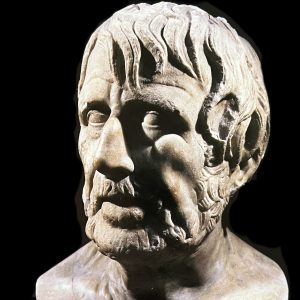
Seneca the famous stoic philosopher wrote an essay that sought to bring critical attention to how short life is. In my opinion Seneca was way ahead of his time as he would relish contributing to the pervading hustle and productivity culture that large proportions of society now value. This makes me wonder what his morning routine would look like on YouTube or Instagram. How we spend our time and as a result how we live our lives should be considered highly as time is the most valuable resource we have.
I should make it clear, this article isn’t an exhaustive review about his essay, instead it’s my take on being a stoic and where his writing resonates with me and perhaps makes you think and change your life for the better. Stoicism is often thought to be the neglect or suppression of emotions or feelings, but it’s not, as it actually seeks to “grasp the thistle” taking on the challenging and often painful parts of life and how to make the best of them. How to best, or at least, thoughtfully spend your days before death is no doubt one of them for Western society and is the scope of this article.
Seneca’s main thrust was that life isn’t short if you use your time well. And this was at a time when people didn’t live as long as they do today or will in the future. His essay is rather short and wonders around its subjects and could even be considered a bit of a rant. However I am going to collate his points into groups and relay them as sections.
Being on Task: being intentional and avoiding distraction(s)
Throughout the essay Seneca circles around what is better known as ikigai by the Japanese or raison d’etre by the French which is knowing your purpose or the meaning of your life. I am sure many scholars wrestle with this concept as knowing what you should be doing with your life can bring a singular focus on what’s critical and reduces your capacity to be overly busy. This might not be a singular focus but certainly a “five to drive” as an old boss of mine used to say and I took to heart. Knowing what you want or should be doing removes everything else that you could be doing and this required choice is why its so hard to choose or perhaps it’s better to think, be so ignorant of everything else that’s possible.
Protecting your Time: idle busyness
People lose life because they don’t hold onto their time firmly enough. The problem isn’t that life is short, but that people squander their time in the pursuit of vain idleness with no real purpose. This error is only brought into sharp focus when the finality of death approaches. Only then are they forced to face the error of their ways and wish how they could have the time back to make better decisions describes what this article is going to make you think about – as Seneca wrote: they are surprised by fate.
Being ruthlessly with your time can make or break your life depending on who you want to be and what you want to get done. Seneca comes down hard on thieves and relates distractions and intruding others as robbers. As he says “you wouldn’t let people steal your money so why do you allow them to steal your time which is actually significantly more valuable”. Allowing them to trespass on your life is a vital concept of awareness regarding the shortness of life as people and process makes it considerably and purposelessly shorter and not for your benefit or that of your agreed intentionality.
Distracting yourself with being busy but not doing what is aligned to your purpose, neither is hurrying around to fulfil pointless tasks. Relax and take time to review what’s on your mind and what you’ve accomplished then when you’re wanting to go on purposefully with your life instead of being in ignorant bliss with death racing towards you. Minimising or avoiding these vices as mentioned by Seneca and listed here is a key theme of his essay and are well worth reading and remembering in a world increasingly tolerating and growing exponentially in distraction: Laziness, Money, Greed, Drinking, Whims, Machoism, Anger, Addiction, Self-indulgence, Lusting, Avenging perceived slights and last but certainly not least the appetites of the stomach and groin.
Seneca directly warns about being in “servitude to wealth”, which could be translated to the “rat race” today. This is pretty self explanatory but I trade time for money as many others do before they can generate wealth via time independent means. Earth is not life, but time, and there are so many of those who would steal your time from you for their gain. Realising the value of your time before it’s too late is the key; as a man with no purpose is surprised by fate as Seneca states. He suggests protecting your time as you do your wealth, bringing special attention to external obligations of others. Seneca mentions that even the rich and powerful Augustus wanted rest and release from these to enjoy a simple and peaceful life and to lighten his labours and live for himself – escaping the burdens.
Making your Time Count: a single focus is key
What you spend your time on is a focus for Seneca but he comes at it more on what you shouldn’t spend your time on, hence why he can come across as ranting. Spending your time wisely has been the focus of many a philosopher and several British comedians: The Meanings of Life by Monty Python being a personal favourite. But even that concludes by saying read a few books and be nice to people.
Hippocrates said that “life is short, but art is long”. I think he was trying to make people aware that what you choose to create, which could take many different forms, could be your art and can live in the world for others to enjoy long after you’re gone. My thoughts turn to children and family but it could be a business or charity or actual art such as painting or sculpture. Nevertheless the idea of our efforts living past us makes us consider the longevity of our efforts for others to recognise and perhaps even benefit from. Being a key stoic, Seneca brings the idea of death to the forefront of his essay and suggests that we should be motivated by it.
The Retirement Trap: delaying finances shouldn’t be delaying life
People often put off what they want until they’re 50 or 60 years of age. You waste time, which is a limited resource and yet the future isn’t promised and may never arise to provide the desired opportunity. What guarantee do you have that the time will be there in the future. Retirement is a financial and social construct that is a trap for the majority of people that only serves the businesses people work for and the bank who hold their earnings. Overall retirement is a trap and is directly against what Seneca was striving to help people recognise about their time and their lives.
How Seneca has made me consider the shortness of my life
I have been a stoic for at least twenty years before reading Seneca’s essay on the shortness of life, so “memento mori”, remembering that we’re dying a little everyday and that death is coming isn’t a new or difficult perspective for me. Furthermore much of my decision making processes incorporates valuing my time, energy and everything else I could do instead. Mindfulness and intentionality makes me slow to say yes but quick to say no has been a key part of my life for some time now.